SEO Ranking Checker Tools: How to Read the Numbers That Matter
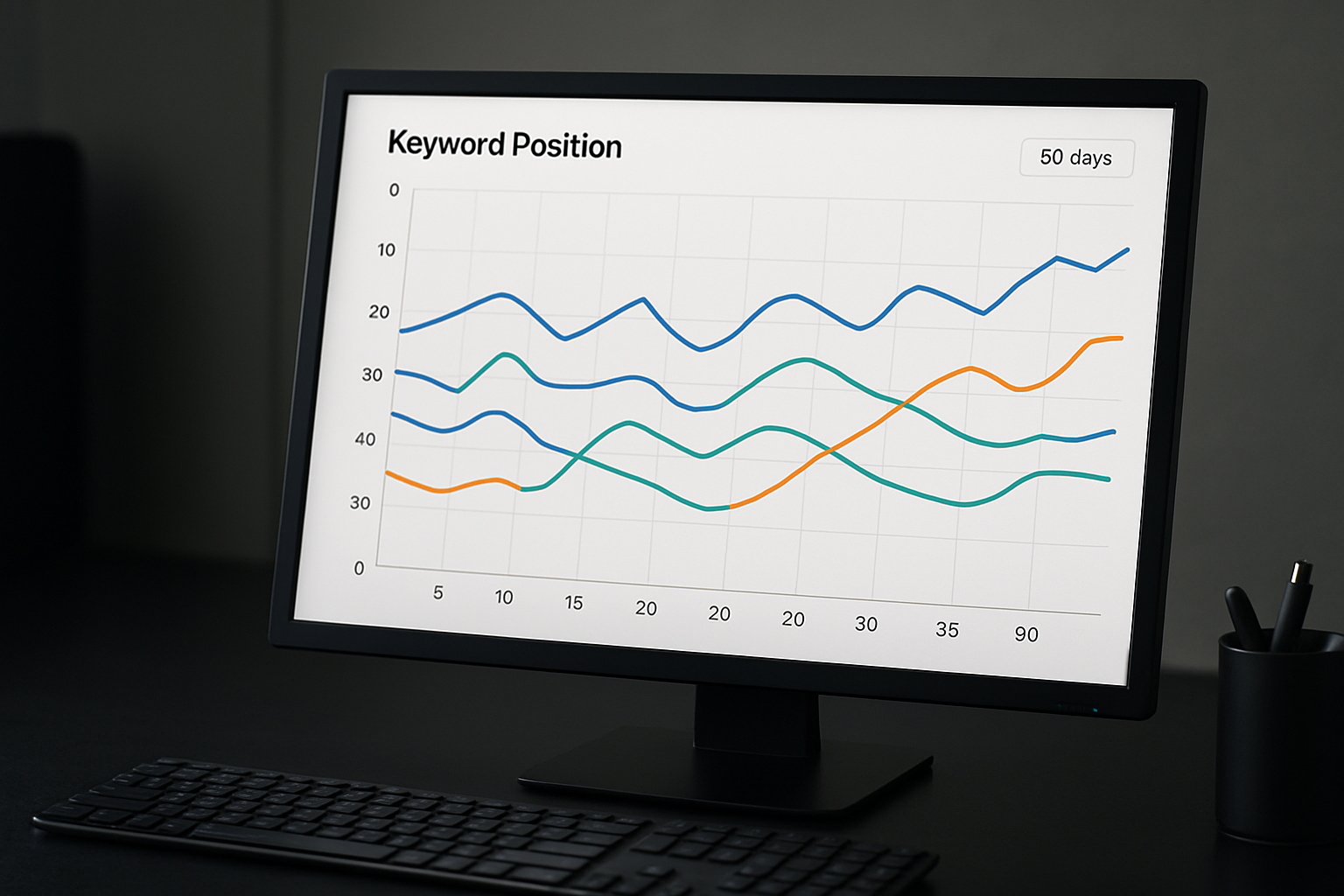
An SEO ranking checker is a tool that reports where a specific page ranks for a specific keyword in a specific search engine, from a specific location and device, at one moment in time — that's the entire definition. The number itself is only useful once you understand what it doesn't capture: personalization, search intent, and whether that ranking is actually driving anyone to your site.
Most articles on this topic just list tools. We'd rather teach you how to read what those tools spit out, because a rank checker without interpretation is just a number on a dashboard.
Why an SEO Ranking Checker Only Tells Part of the Story
Ranking checkers query Google (or Bing) from a fixed location and device, then report where your URL lands. That's a snapshot, not reality for every searcher. Google has confirmed its algorithm weighs more than 200 ranking factors, and results are personalized by location, search history, and device — so two people searching the same term at the same moment can see different results entirely.
Even a perfect position-one ranking may not move the needle the way it used to. According to SparkToro's analysis of search clickstream data, more than half of all Google searches now end without a click to any website. A rank checker will happily report a #1 position for a query that generates almost no clicks at all.
Rankings vs. Traffic vs. Conversions
Treat these as three separate metrics, not one:
- Rankings tell you visibility for one query at one point in time.
- Traffic tells you how many people actually landed on the page from search.
- Conversions tell you whether that traffic did anything valuable.
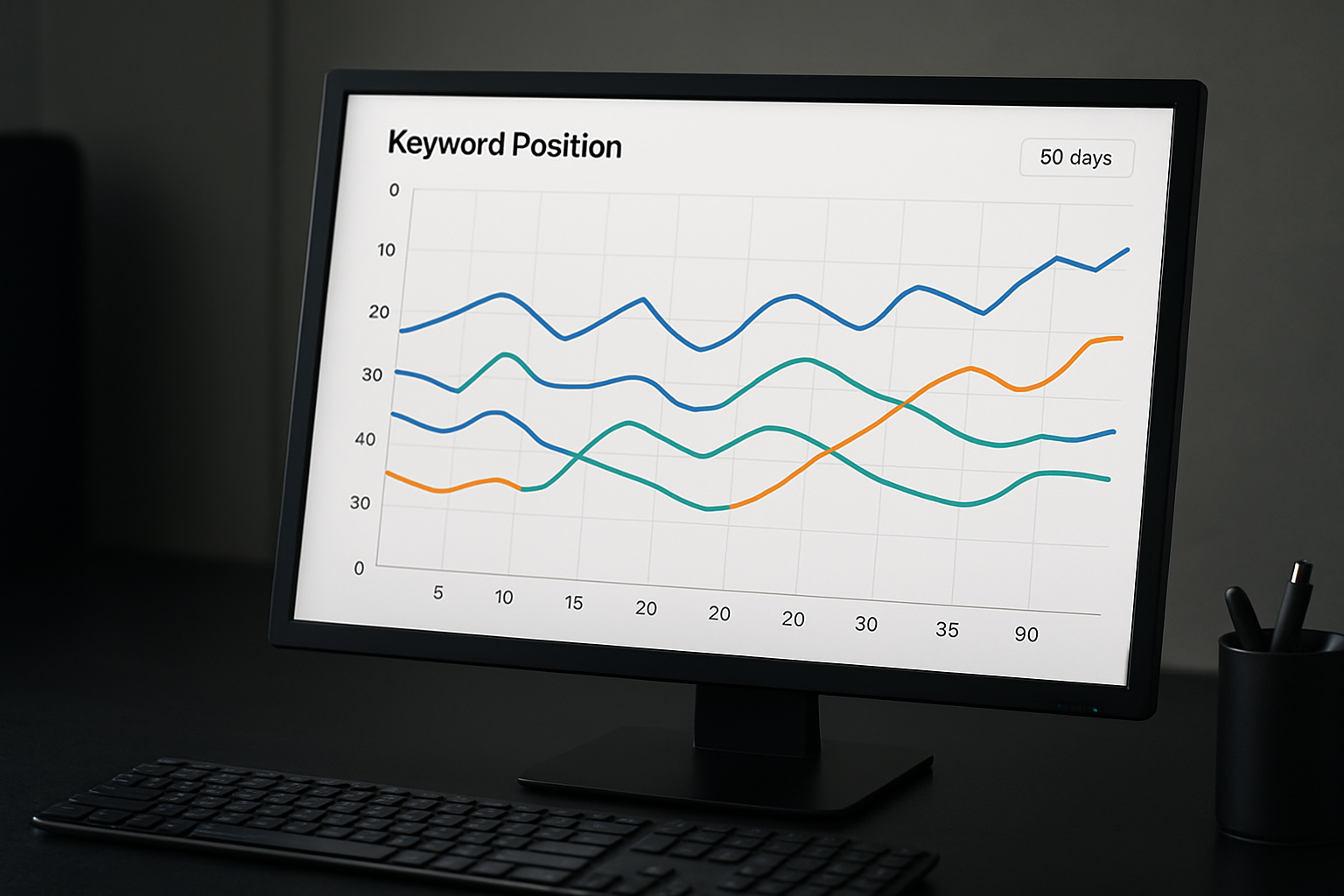
A page can climb from position 8 to position 3 and see zero traffic change if the query has low search volume or a dominant featured snippet siphoning clicks. Conversely, a page stuck at position 6 might be your best lead source because the keyword has strong buying intent. This is exactly why a ranking checker should be read alongside analytics data, not in isolation.
How Often to Check (and What to Ignore)
Daily rank-checking invites panic over noise — normal algorithm fluctuation, index refreshes, and personalization can shift a position by several spots with nothing wrong on your end. Weekly or biweekly checks, viewed as a trend rather than a single data point, give a far more honest read. Ignore single-day swings; watch the direction over 4-6 weeks before drawing any conclusion.
Turning Rank Data Into Content Decisions
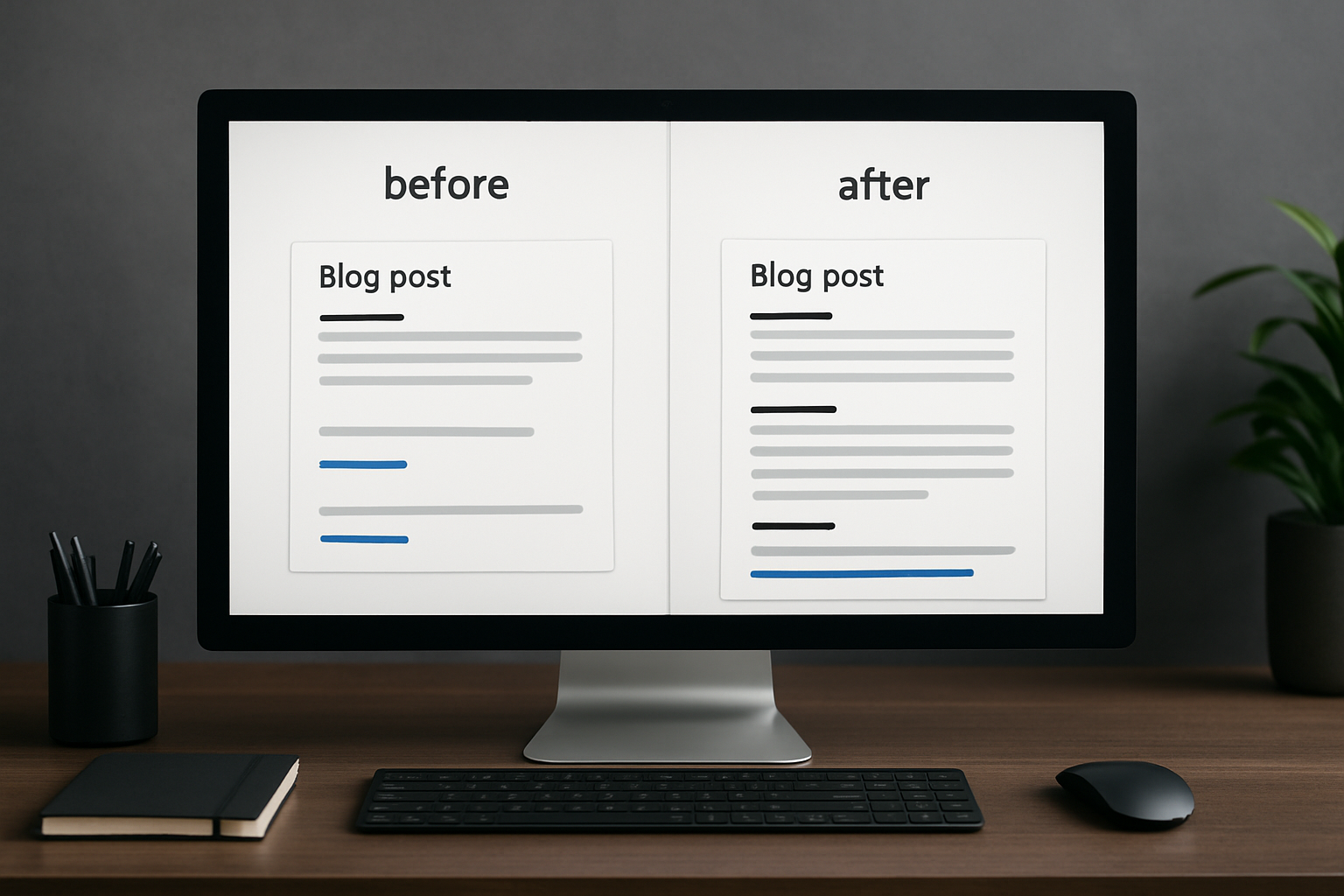
Rank data is only valuable when it changes what you publish next. A page hovering just outside page one (positions 11-20) is usually the best candidate for a content refresh — it's already relevant enough to Google, it just needs more depth, better internal links, or updated information. A page stuck on page three or beyond may signal the wrong keyword target entirely, not a content quality problem. If you haven't run a structured audit recently, our guide on how to audit your site walks through that diagnostic step.
How Rank Tracking and Monthly Reports Close the Loop
This is where most DIY rank-checker workflows fall apart: someone pulls a number, nobody connects it to what was published or what should be published next. Our plans bundle keyword rank tracking directly with the daily content we research, draft, and publish for you, then roll it into a monthly report you can actually act on — not a spreadsheet dump. If plain-English reporting matters to your team, see how we make SEO reporting readable for non-marketers.
Setting Realistic Ranking Expectations
New or refreshed content typically needs weeks, not days, to settle into a stable position, and competitive terms may take months of consistent publishing to move meaningfully. Expect gradual, trend-line progress rather than overnight jumps — and treat every ranking number as a clue, not a verdict.
Want keyword rank tracking and monthly reports bundled with the content we publish for you? That's built into every plan — get in touch to see it in action.
Frequently asked questions
What is an SEO ranking checker?
It's a tool that reports where a specific URL ranks for a specific keyword in a search engine like Google or Bing, from a fixed location and device, at the exact moment the check runs — it's a snapshot, not a universal truth.
Why did my ranking improve but my traffic didn't?
Rankings, traffic, and conversions are separate metrics; a higher position on a low-volume or low-intent keyword, or one dominated by a featured snippet, can improve without moving traffic at all.
How often should I check my keyword rankings?
Weekly or biweekly is usually enough — daily checks mostly capture normal algorithm noise and personalization variance rather than meaningful movement, so read the trend over 4-6 weeks instead of single-day swings.
Is a #1 ranking always worth chasing?
Not necessarily; according to SparkToro's clickstream research, more than half of Google searches end without any click, so some top rankings generate little to no traffic.
What should I do with a page stuck on page two or three?
First check whether it's genuinely relevant to the keyword — a page on page three may need a different target term entirely, while a page just outside page one (positions 11-20) is often the strongest candidate for a content refresh.