SEO Automation Tools vs. a Done-For-You Content Service
SEO automation tools are software platforms — keyword research tools, rank trackers, on-page crawlers, and AI content generators — that each automate one piece of the SEO workflow, but none of them run the whole process unsupervised. Someone still has to log in daily, review the output, and hit publish. That operational gap is the real reason so many businesses end up comparing SEO automation tools against a managed service instead of just picking a tool and moving on.
Why Most People Search for SEO Automation Tools
Most searches for this phrase come from people trying to solve a resourcing problem, not a software problem. They don't lack access to a keyword tool or a rank tracker — dozens are one click away. What they lack is someone to operate those tools consistently, week after week, without the process quietly stalling once the initial setup excitement fades.
The True Cost of Running SEO Tools Yourself
Time You Don't Get Back
Even the best SEO automation tools require ongoing input: approving keyword targets, editing AI drafts for accuracy, checking internal links, formatting for WordPress, and writing social captions to accompany each post. According to HubSpot's research on blogging frequency, companies that publish 16 or more blog posts a month get almost 3.5 times more traffic than those publishing four or fewer — but hitting that cadence manually, tool by tool, is exactly where most teams fall behind.
Hidden Expertise Requirement
A tool like Alli AI can suggest on-page changes automatically, but someone still needs the SEO judgment to know which suggestions are safe to push live and which could hurt rankings. Rank trackers only matter if someone interprets the numbers correctly — a point we cover in our guide to reading ranking-checker data.
Common Tool Categories and Their Limits
SEO automation tools generally fall into four categories: keyword research tools, rank trackers, on-page/technical crawlers, and AI content generators. Each does one job well, but none connects the dots end to end — meaning the business still owns the strategy, the review, and the publishing decision. We break down the current software landscape in more detail in Best SEO Automation Software in 2026: An Honest Comparison.
Where Automation Breaks Without Expert Oversight
Fully automated publishing without review is where SEO automation tools break down fastest. According to Backlinko's ranking-factors analysis, pages in Google's top three results capture roughly 54.4% of all clicks — meaning low-quality or off-target content doesn't just underperform, it actively wastes the ranking opportunity. Automation is genuinely good at repetitive research and drafting; it's not good at catching factual errors, brand-voice drift, or a keyword target that's gone stale. We go deeper on this line in SEO Automation Explained: What You Can Safely Automate.
How a Done-For-You Content Service Replaces the Stack
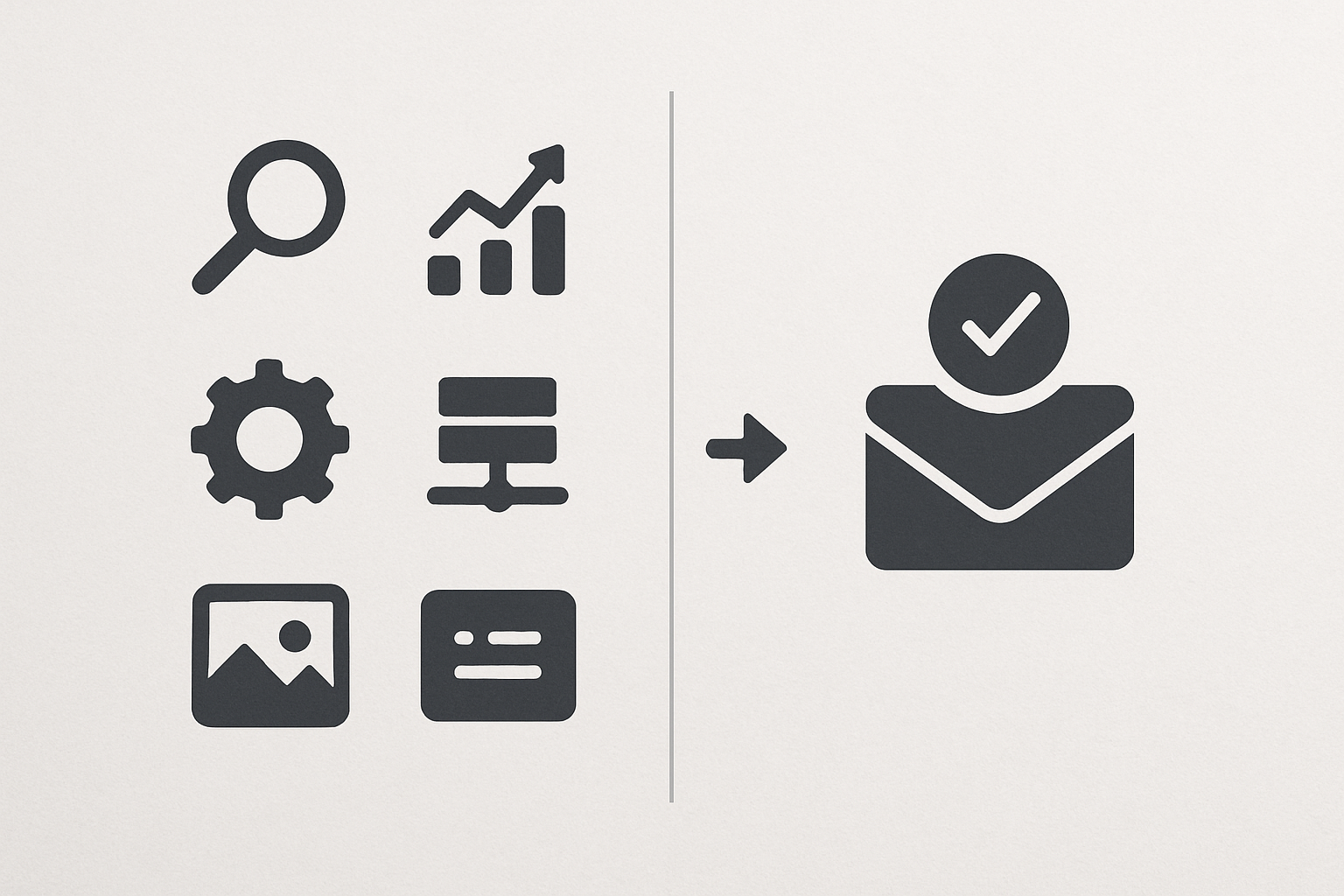
This is the gap our service is built for. Instead of assembling and operating separate SEO automation tools for keyword research, drafting, publishing, and reporting, our team researches keywords, drafts fully optimized content, and publishes it directly to WordPress or a custom site via webhook — with human review built into the process before anything goes live. Social captions come ready to copy, multi-language content is supported, and backlink and rank tracking are reported monthly, so you see results without babysitting a dashboard.
Decision Checklist: Tool, Team, or Service
- Pick a tool if you already have an in-house SEO specialist with time to run it daily.
- Hire a team if you need dedicated strategy across many channels, not just content.
- Choose a managed service if you want daily, research-backed content published consistently — with final approval still in your hands, and none of the tool-juggling in between.
If you're weighing SaaS-specific tradeoffs, our piece on why SaaS companies are switching from tools to managed content covers that comparison directly. Skip the tool sprawl — let us handle daily SEO content end to end.
Frequently asked questions
What are SEO automation tools?
SEO automation tools are software platforms — such as keyword research tools, rank trackers, on-page crawlers, and AI content generators — that each automate one specific part of the SEO workflow, though a person still has to operate, review, and publish what they produce.
What's the difference between SEO automation tools and a done-for-you content service?
SEO automation tools still require someone to log in daily to run research, edit drafts, and publish, while a done-for-you service researches, drafts, and publishes optimized content for you, with your approval before anything goes live.
Can SEO automation tools fully replace an SEO content strategy?
No — tools speed up individual tasks like research and drafting, but they don't make judgment calls on content quality, brand voice, or which on-page suggestions are safe to act on, which is why expert oversight still matters.
Is AI-generated SEO content safe to publish without review?
Publishing AI content without review carries risk; Google's guidance emphasizes helpful, people-first content over automatically generated material that ignores quality standards, so human review before publishing is recommended.
Who should choose a managed SEO content service instead of a tool stack?
Businesses that want consistent, daily, research-backed content published without dedicating in-house time to running and reviewing multiple separate tools are typically the best fit for a managed, done-for-you service.