12 Practical SEO Tips You Can Actually Ship This Week
The fastest SEO tips to act on this week are: fix your title tags and meta descriptions, match search intent before you write, publish consistently, build internal links, and track rankings monthly instead of guessing. This list of 12 SEO tips is ordered by how fast you can ship each one — starting with a same-day title fix and ending with the habits that compound over months. We've also flagged which tips are safe to automate and which still need a human eye.
Fix the fundamentals first: titles, meta descriptions, and intent
Fix your titles and meta descriptions first
Your title tag and meta description are the first thing a searcher sees, and they're often the fastest win available — most sites can update these in an afternoon. Google's Search Central guidance notes that titles and descriptions should be unique per page and written to accurately summarize the content — vague titles like "Services" or "Home" waste that real estate. Compare that to something specific: "Emergency Plumbing Repair in Austin, TX | Same-Day Service" targets a keyword and signals intent in one line. Keep meta descriptions under roughly 155–160 characters so search engines don't truncate them.
Target search intent, not just keywords
Ranking for a keyword that doesn't match what searchers actually want rarely converts. Before writing, check what's already ranking for your target term — if the top results are listicles, a product page probably won't outrank them. Match the format Google is already rewarding, then differentiate on depth or specificity.
SEO tips that compound: consistency, links, and repurposing
Publish consistently — the tip most people skip
A single great article rarely moves the needle. According to Ahrefs' widely cited analysis of over a billion pages, the vast majority earn zero organic traffic from Google, most commonly because they're thin, isolated, and never linked to internally or externally. Consistent publishing gives search engines a reason to keep crawling your site and gives you more pages that can earn links over time.
Internal linking that search engines reward
Every new article should link to at least one older, relevant page — and that older page should ideally link back. This spreads authority across your site and helps Google understand which pages matter most. If you're not sure where your current pages stand, our guide on reading SEO ranking checker tools walks through what the numbers actually mean.
Repurpose each article into social captions
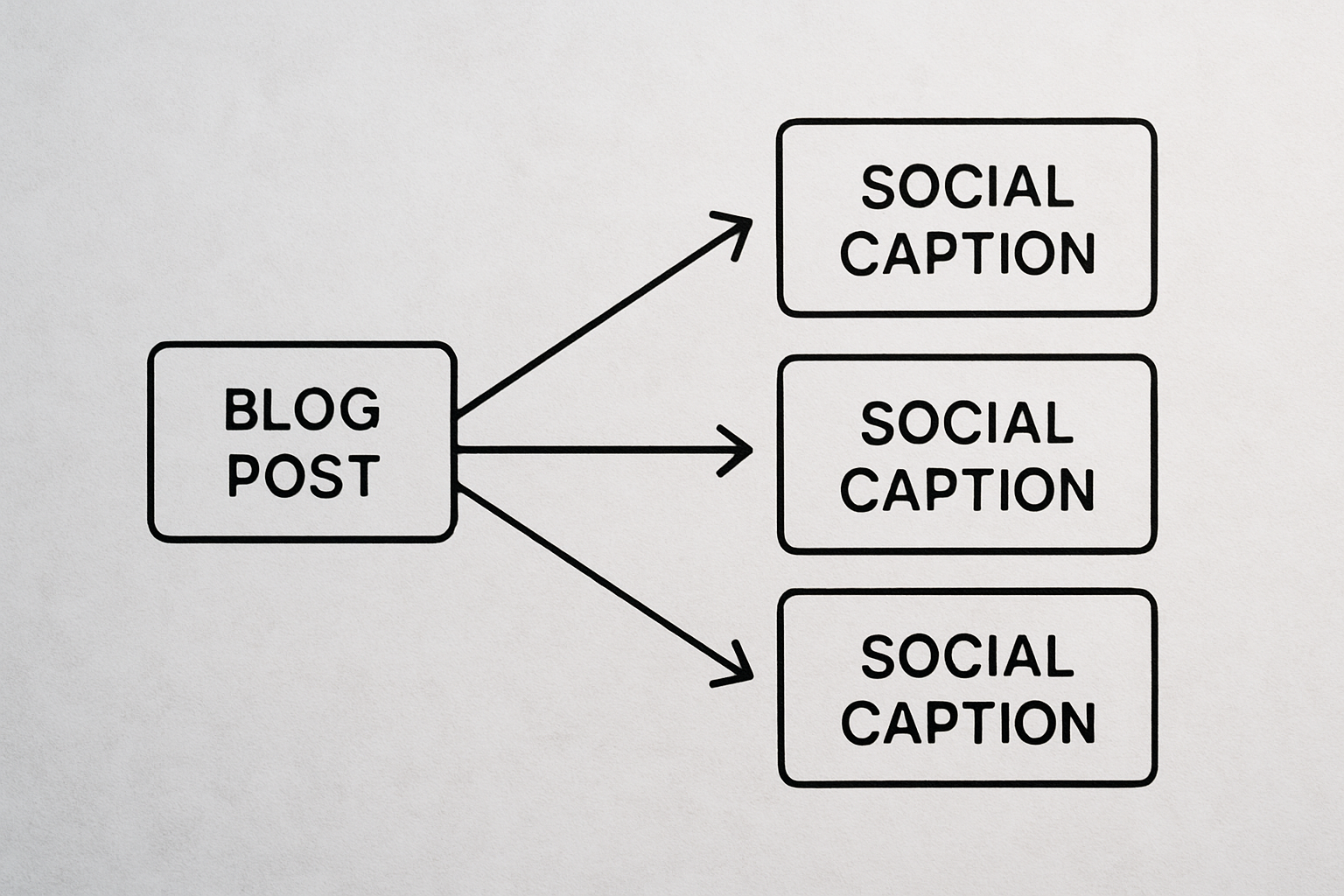
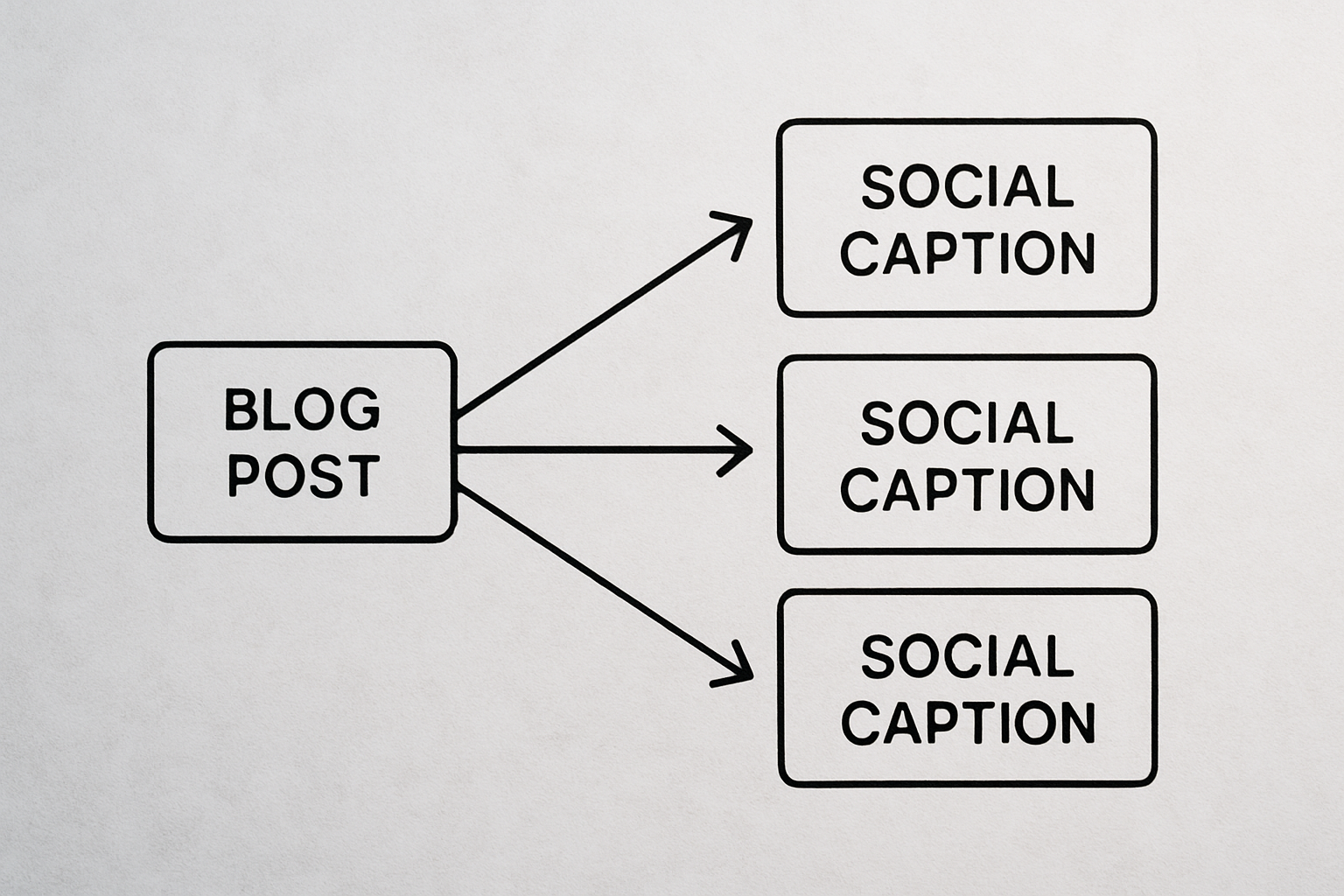
Every blog post is also three or four social posts waiting to happen. Pull the core stat, the strongest tip, or the most surprising line and reformat it for LinkedIn, X, or Instagram. This costs almost no extra time if you build it into your publishing workflow from the start.
Track rankings, then decide what to automate
Track rankings so you know what's working
Without rank tracking, you're optimizing blind. Check your target keywords monthly at minimum, and watch trends rather than single snapshots — rankings fluctuate daily for reasons that have nothing to do with your content quality.
Which of these you can automate vs. keep manual
Keyword research, publishing schedules, internal-link suggestions, and caption drafts are all tasks a well-built system can handle reliably. Judgment calls — does this article actually match what our audience wants, is this claim accurate, does this tone fit our brand — still need a human before anything goes live. We wrote a full breakdown of that line in SEO Automation Explained: What You Can Safely Automate (and What You Shouldn't). If you're running SEO without a dedicated team, our tips for businesses without an SEO team covers how to prioritize when time is limited.
Want these done for you every day? Get a free sample content plan.
Frequently asked questions
What are the best SEO tips to start with today?
Start with title tags and meta descriptions since they can be rewritten in an afternoon, then check that your content actually matches search intent — these two fixes alone address most of the low-hanging fruit on a typical site before you touch anything else.
How long should a meta description be?
Keep it under roughly 155–160 characters so Google doesn't truncate it in search results, while still including your target keyword naturally near the start.
Which SEO tasks can be automated safely, and which can't?
Keyword research, publishing schedules, internal-link suggestions, rank tracking, and social caption drafts can all be automated reliably; judgment calls about accuracy, tone, and audience fit should stay with a human reviewer before anything publishes.
How often should I publish new SEO content?
Consistency matters more than volume — a steady schedule, even just weekly, tends to outperform sporadic bursts because it gives search engines more reasons to crawl your site and more pages available for internal linking.
Why do most web pages get little to no organic traffic?
According to Ahrefs' analysis of over a billion pages, the majority earn zero organic traffic from Google, most often because the content is thin and isolated — with few or no internal and external links pointing to it.
What's the single fastest SEO tip on this list?
Rewriting a weak title tag and meta description is the fastest win — it requires no new content, can be done same-day, and directly affects click-through rate from search results.